
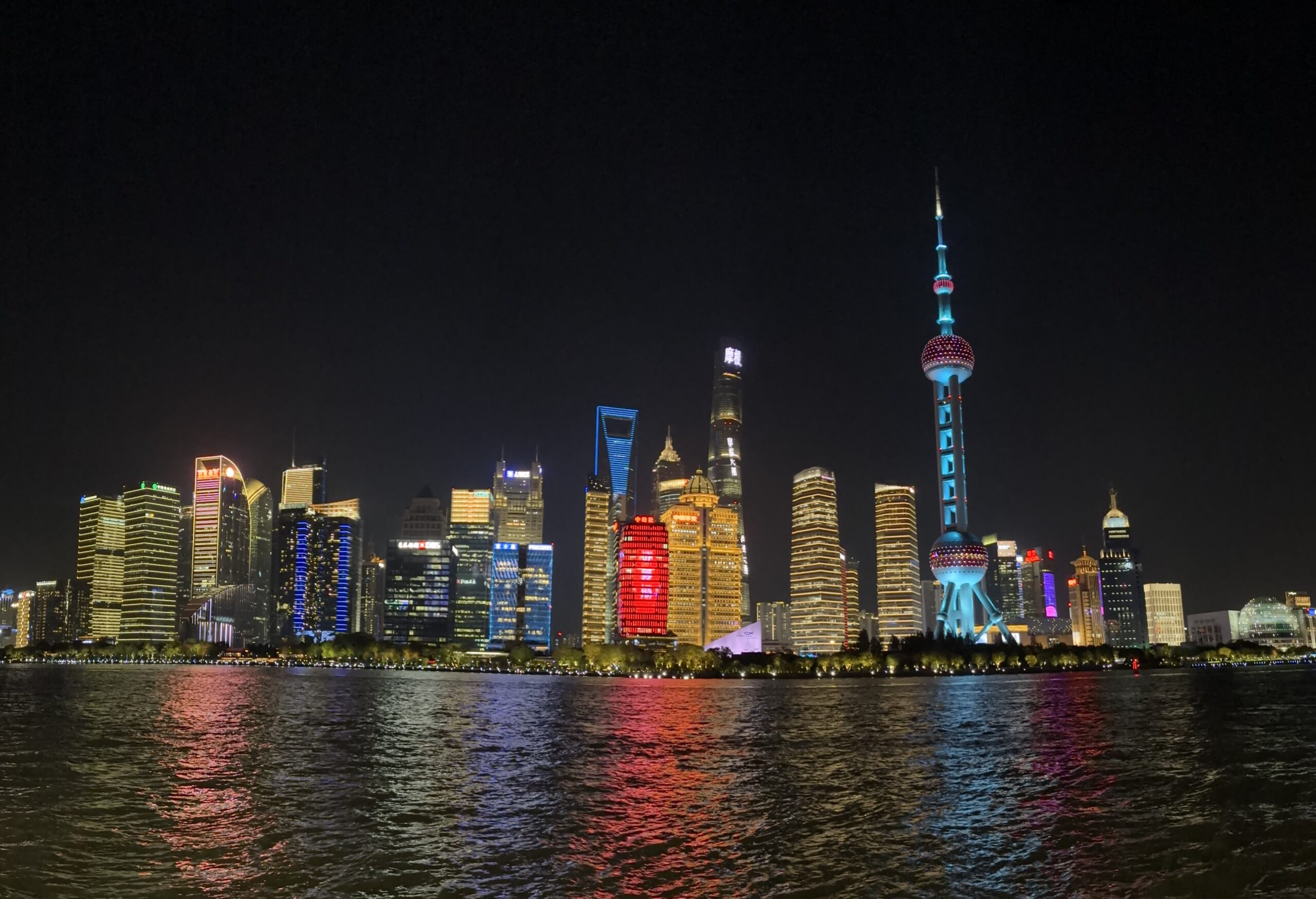
Note: all info provided in this post are accurate as of November 2025.
Traveling through China for a full month may sound expensive but trust me, it doesn’t have to be. My wife and I returned from a 29-day trip across eight cities, and our total spend came to $3,550 USD (for both of us), excluding about $1,000 worth of clothes shopping and $1000 worth of domestic flights.
That means our daily cost was only about $61 per person, including food, transportation, 3-star hotels and all activities.
If you’re planning a trip to China, here’s exactly how we did it; what we spent, where we went, and what you absolutely need to know before you go. If you are not planning a trip to China, I’d definitely recommend you reconsider.
We Visited 9 Magnificent Cities
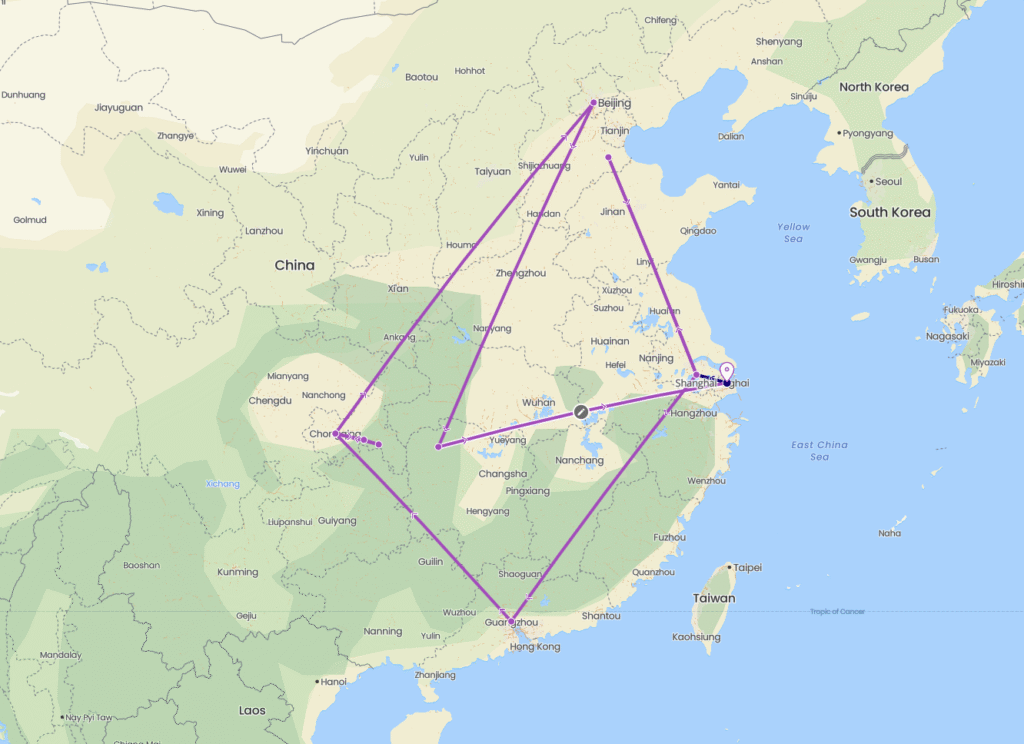
We covered a mix of cities and rural regions:
- Wuxi
- Cangzhou
- Guangzhou
- Chongqing
- Wulong
- Pengshui
- Beijing
- Zhangjiajie
- Shanghai
This itinerary gave us a perfect mix of modern China, culture, small-town life, and surreal natural landscapes.
Full 1-Month China Budget Breakdown ($3,550 for Two People)
Accommodation — $1,200 total
China is shockingly affordable and offers incredible value-for-money. All our hotels had breakfast and laundry included.
- Major cities (Beijing, Shanghai, Guangzhou): under $65/night for 3-star hotels
- Small cities (Zhangjiajie, Pengshui): $24–$30/night
Food — ~$30 per day for two people (~$870 total)
If you avoid Western restaurants, you can eat really well for little. Because food is cheap, you can be free to have variety and frequency.
Typical costs:
- Breakfast street food: included in hotel
- Noodles/dumplings: $2–4
- Hot pot or BBQ: $8–12
- Snacks and drinks: $1 each
Transportation — ~$600 total
This includes:
- High-speed trains
- DiDi rides
- Metro systems
- Airport transfers
The above excludes all our domestic flights which were $1000 for two people for 5 flights.
China’s transit infrastructure is world-class and extremely affordable.
Attractions — ~$1000 total
Includes:
- Zhangjiajie National Forest Park (including unlimited cable car and elevator rides)
- Tianmen Mountain
- Wulong Karst National Park
- One river cruise
- Massage and pedicure
- Chongquing 1949 show
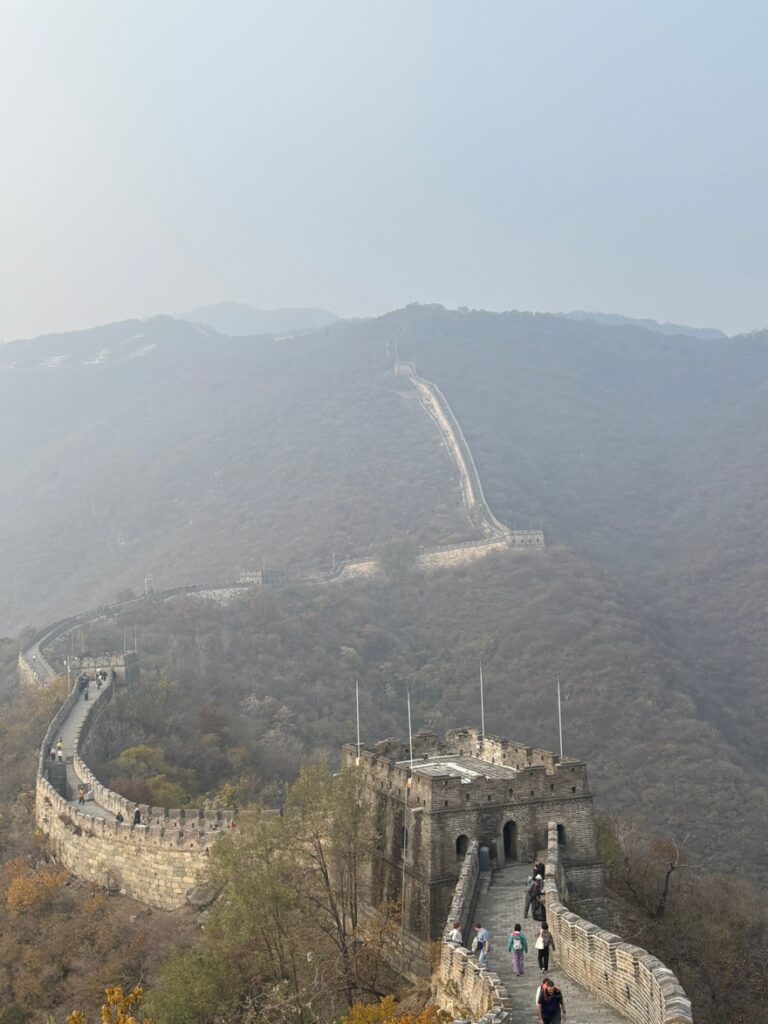
- Great Wall of China (including cable car and toboggan)
- And more
Miscellaneous — ~$120
SIM card, toiletries, laundry, small souvenirs, etc.
How to Travel China on a Budget
1. Book everything on Trip.com (NOT Booking.com)
Western apps (Booking.com, Expedia, Agoda) simply do not work well in China:
- Limited hotel inventory
- Incorrect maps
- Higher prices
- Hotels may reject your reservation on arrival
Trip.com is the only reliable option — cheaper, accurate, and offers discounts.
2. Always negotiate (even when prices are marked)
This surprised us. In small shops, markets, stores, and even some indoor boutiques:
- The sticker price mean nothing – always ask for the best price
- Keep in mind that if you’re foreign and you don’t negotiate, you’ll pay 2–5x the local price.
Tips:
- Start by asking for their “best price” and ask for ~20% below it
- Never appear too interested
- If they refuse to budge on price, walk away
Note: chain stores in malls will not haggle.
Warning: don’t shop at the big “market cities” like Kinbo Fashion City in Guangzhou.
They are overpriced tourist traps and extremely aggressive.
3. Use DiDi or public transit. Never take regular taxis
Regular taxis often:
- Refuse to use the meter
- Take longer routes
- Claim “no change”
- Overcharge foreigners
DiDi (China’s Uber) is:
- Cheap
- Safe
- Transparent
- Easy to use in English
Use Trip.com airport transfer when needed:
- I often found that Trip.com airport transfer was cheaper than Didi to get to and from the airports.
- This option allows you to avoid the wait, uncertainty and surge pricing that comes with Didi during peak time.
And metro systems are modern, fast, and usually under $1 per ride.
Tips:
- Always choose economy first with DiDi for extra savings
- Major city metro systems allow you to pay directly at the turn style with your foreign credit cards (except for Chongqing which requires Alipay)
4. Maps and translation
Some notes:
- Google maps does not well work in China. For example, it does not have accurate listings and transit directions. Always use Apple Maps which has reasonably accurate listings and very accurate transit directions. It also allows you to order Didi from within the map.
- 90% of people don’t speak English. Use Apple translate for 6/10 results. This is the best app we could find (avoid Google translate as the results are poorer in our experience than Apple translate).
- Most apps, menus and signs are not translated to English.
5. Payments in China (Important!)
Most places do NOT accept Visa/Mastercard, except some subways and major hotels.
You will need:
- Alipay International
- WeChat Pay
- Linked to a foreign card before arrival
Fees:
- Transactions over 200 RMB → 3% surcharge
- Keep payments below 200 RMB to avoid fees
- Monthly limit: ~$7,000
- Single-transaction limit: ~$420
We traveled for 30 days without using a single Yuan in cash.
6. Data and VPN
- Data is incredibly cheap but stick to non Chinese eSim card to avoid internet restrictions (roaming on your non Chinese data plan does not incur internet restrictions)
- Get your eSim through Trip.com
- Use your US phone provider’s included roaming days (if you need a solid provider, sign up for Visible here: https://www.visible.com/get/?66TCDN3 and get 24 roaming days per year)
- Use the free Gigsky data plan included with some US credit cards
- Wifi and domestic SIMs are subject to severe data restrictions and require a VPN to bypass.
- You will not be able to access Google, YouTube, WhatsApp and most sites you are used to without VPN
- iMessage and Facetime work
- For VPN, we used Surfshark but had very mixed results. I would recommend to try another VPN. If you still want Surfshark, you can sign up here and get 3 months of service for free: https://surfshark.club/friend/FtNNwwhH
City Highlights
Zhangjiajie
The Avatar mountains. Absolutely unreal.

Chongqing
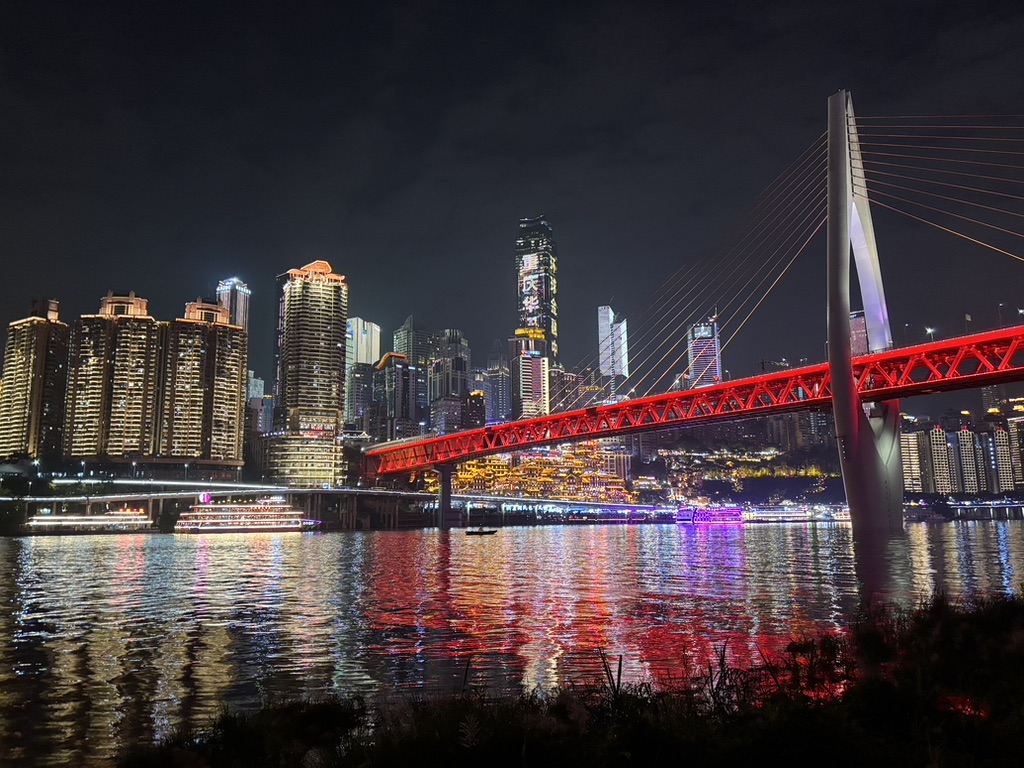
Hot pot capital of China, insane night skyline, epic mountain-city layout.
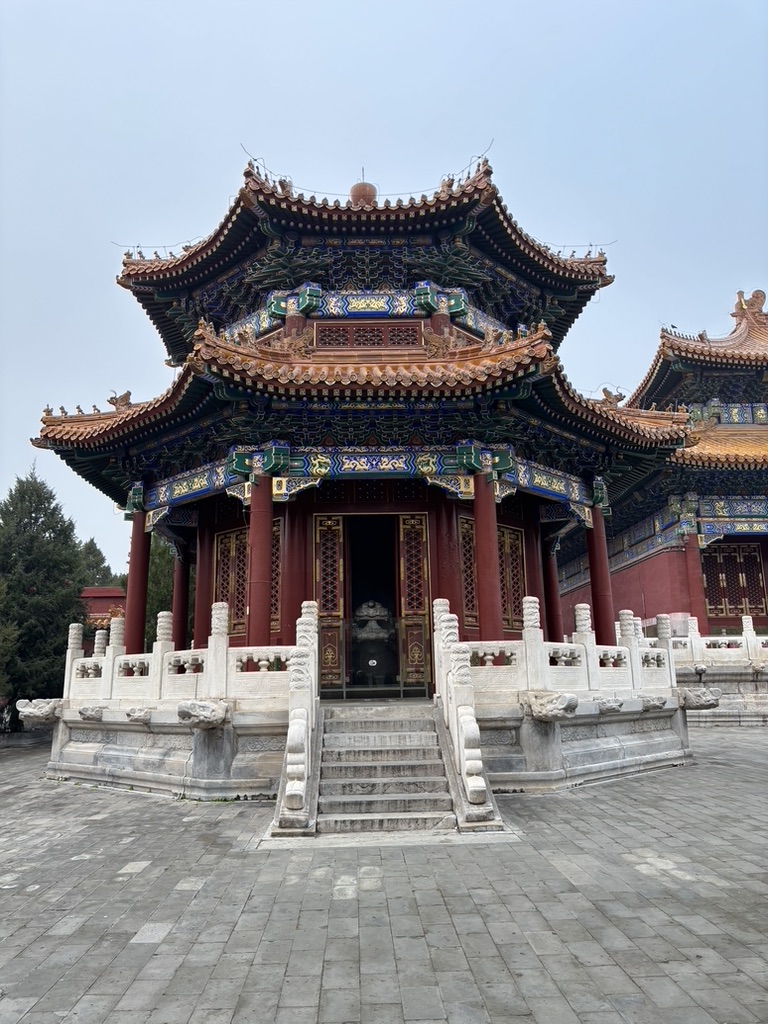
Beijing
Great Wall, hutongs, temples, and street food heaven.
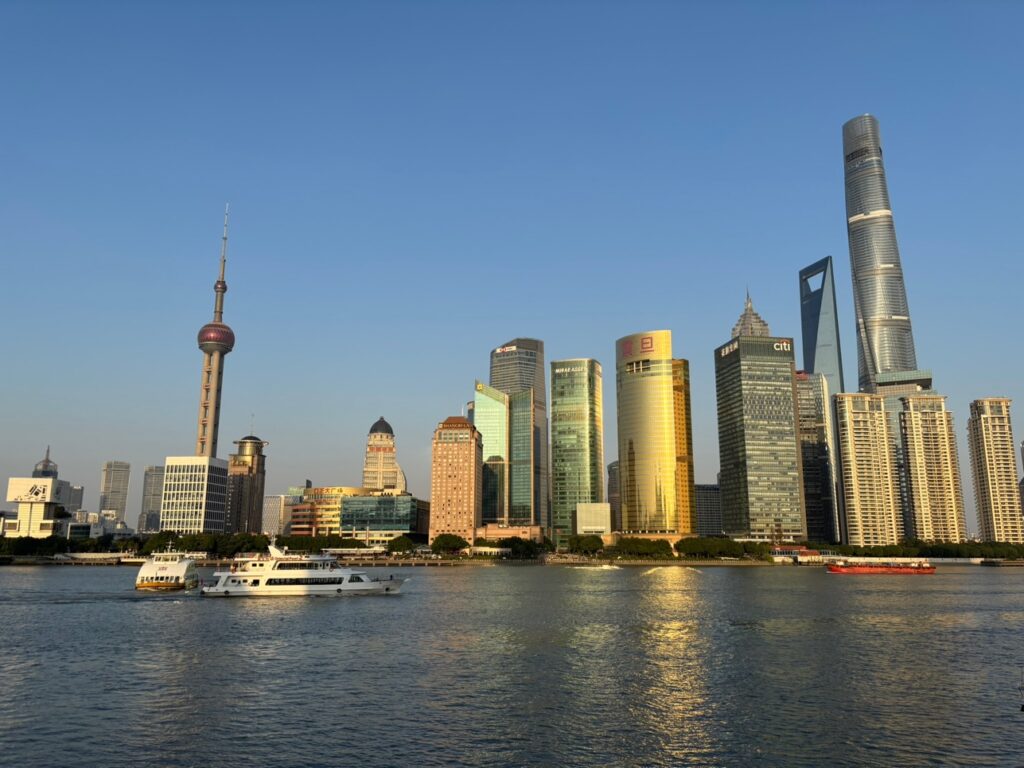
Shanghai
The futuristic side of China. Amazing waterfront and skyline.
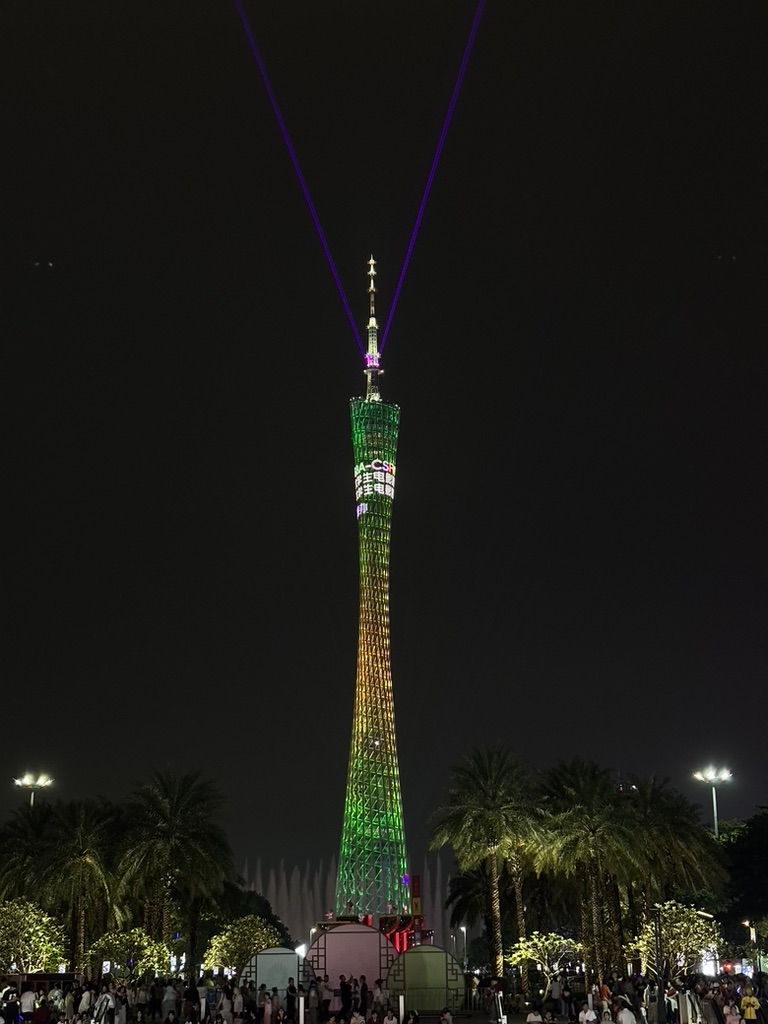
Guangzhou
Food paradise. Business capital
Wuxi, Cangzhou, Pengshui
A taste of real, everyday local life outside major cities.
Biggest Mistakes to Avoid in China
❌ 1. Taking regular taxis
Scams happen. Stick to DiDi.
❌ 2. Not negotiating in malls and markets
You will get ripped off.
❌ 3. Shopping in tourist traps
Especially Guangzhou’s massive market cities.
❌ 4. Giving a deposit at stores to allow them to retrieve the items
We were scammed by a shop keeper in Guangzhou when she requested a deposit to retrieve a shirt I was interested in. When the shirt did not fit properly, she refused to return the money
❌ 5. Using Booking.com and only looking at Western Hotel chains
Hotel listings are often unreliable and overpriced.
❌ 6. Assuming everyone takes Visa or Mastercard
Most only accept AliPay or WeChat Pay. Make sure you download and setup your AliPay/WeChat ahead of time.
❌ 7. Overpacking as we did not know Hotels provided free laundry and detergent
Final Thoughts: Yes, You Can Travel China on a Budget
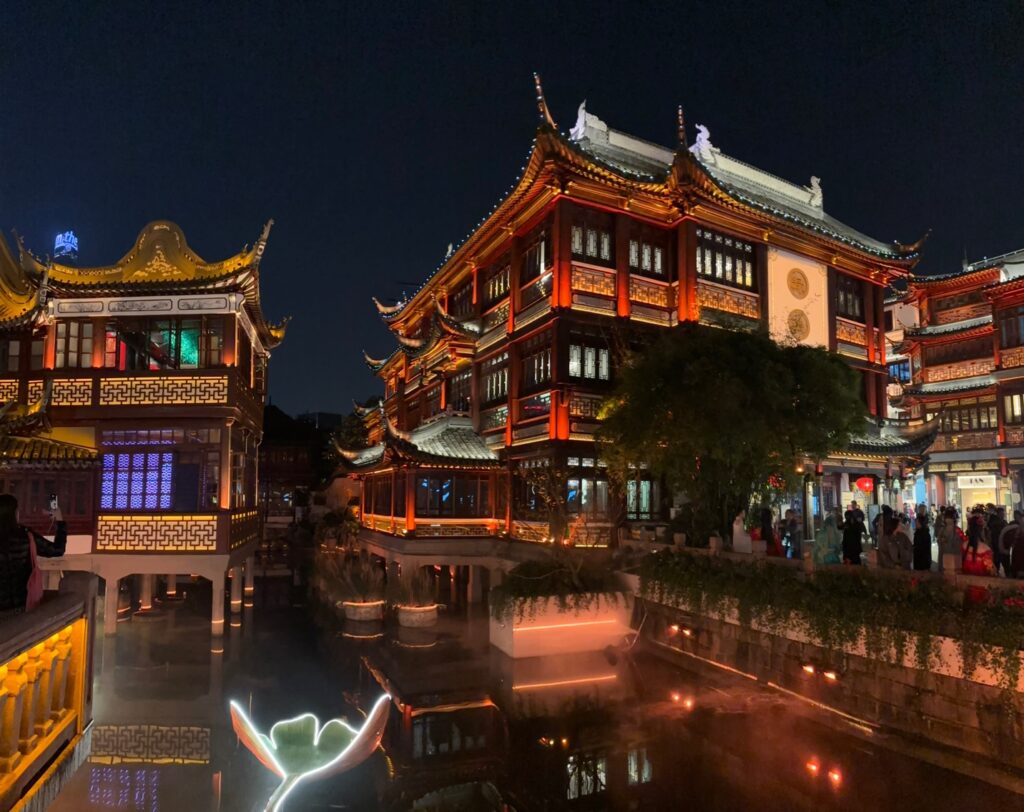
Our 30-day trip across China was one of the most affordable and rewarding experiences we’ve had.
- $3550 for two people
- Eight cities
- World-class attractions
- Amazing food
- Jaw-dropping nature
- Incredible culture
If you’re planning a trip for 2026 or beyond, China is one of the best value destinations in the world and with the right planning, you can experience it deeply without breaking the bank



Pingback: The 12 Cheapest Countries to Travel in 2026 (Destinations Where Your Money Goes the Farthest) - Funds and Destinations
Pingback: 15 Proven Travel Hacks to Cut Your Costs by 50% (Without Sacrificing Comfort) - Funds and Destinations