

Traveling doesn’t have to be expensive. In fact, with the right strategies, you can cut your travel costs by 30–50%without sacrificing comfort, safety, or experience.
After spending months traveling through Asia, the USA and South America (including a full month in China for just $3,550 for two people), I’ve learned that most people overspend simply because they don’t know the right systems.
These are the exact money-saving hacks I personally use to maximize value and minimize cost on every trip.
1. Stop Using Western Booking Apps Abroad
Apps like Booking.com, Expedia, Uber, etc. inflate prices in many countries.
Locals use cheaper, more accurate apps.
Examples:
- China → Trip.com, Didi
- Southeast Asia → Grab, Agoda
- Mexico/LatAm → Didi, InDrive
Local apps usually offer:
✔ Lower prices
✔ Better availability
✔ More payment options
I saved hundreds in China simply by switching to Trip.com.

2. Travel in the Shoulder Season (30–50% Cheaper)
Research the shoulder season. Depending on the location, travel during:
- Late April–late May
- September–early November
Why?
- Flights drop 20–40%
- Hotels drop 30–50%
- Fewer tourists = less lines
- Better weather in most regions
Peak season = peak prices.
3. Stay in Affordable 3-Star Hotels (The Sweet Spot)
In most countries, the best value isn’t hostels or luxury hotels — it’s clean, modern local 3-star hotels.
Examples from real trips:
- China major cities → $45–$65/night
- Vietnam → $20–$35/night
- Thailand → $25–$40/night
You get:
✔ Air-conditioning
✔ Private bathrooms
✔ Great locations
✔ Daily cleaning
✔ Free breakfast
✔ Safety
All without paying inflated “tourist hotel” prices.
4. Eat Where Locals Eat. Not Where Google Sends You
Here’s the truth: restaurants with thousands of tourist reviews are usually overpriced and the food is mediocre.
Locals rarely eat there.
Better approach:
- Look for places filled with locals
- Skip English menus and use your translator app as needed
- Follow the crowds, not the algorithm
Some of the best meals I’ve had worldwide cost $2–$4. In fact, in China, I had a Michelin Guide noodle for < $5
5. Use Public Transit Everywhere Possible
Taxis are where travelers get ripped off most often (not to mention scams).
Better options:
- Metro/subway (fastest + cheapest)
- Public buses
- Local ride-sharing apps
In China, Japan and Mexico City, metros in most cities cost 50¢–$1 per ride.
And they’re cleaner than many Western systems.
6. Be as flexible as possible with flights
Here’s a simple hack:
- Check prices for flights 3 days before, 3 days after from your ideal date when possible.
Flight prices shift dramatically with this method.
Bonus: flights on Tuesdays and Wednesdays are generally cheaper.
7. Filter Hotels by “Newest First” for the Best Value
New hotels charge dramatically lower prices to attract reviews.
I’ve stayed in brand-new hotels in Asia for:
- $18/night
- $22/night
- $28/night
Clean, modern, and cheap.

8. Use Grocery Stores for Breakfast + Snacks
One of the most overlooked hacks.
Get a hotel with breakfast and eat enough to last you until mid-afternoon.
In the afternoon, buy:
- Fresh fruit
- Bakery items
- Yogurt
- Drinks
This cuts your daily food cost from $20–$35 down to $6–$10.
Eat dinner in a local spot.
Eat out once per day; not three times.
9. Avoid ATM Fees With the Right Banking Setup
Use:
- A no-FX fee card (Chase Saphire Reserve or others).
- Always use your credit cards when possible
- A bank that refunds ATM fees (Schwab, Wise, Sofi, etc.). For my Canadians out there, Wealthsimple or Tangerine (use my Orange Key 45447192S and earn $50!)
- Only withdraw cash or convert cash when absolutely necessary as you incure a conversation fee almost everytime.
- Most travelers burn $50–$150 per trip on unnecessary fees.
10. Always Negotiate in Individual Stalls
If you’re in a market, small shop, or a place with no barcode system: you can negotiate.
Rules of thumb:
- Start 40% below asking
- Don’t negotiate in chain stores
- Walk away if it feels overpriced
In Guangzhou, I saved 30–50% most of the time, but avoided tourist traps like Kinbo Fashion City, which massively overcharge foreigners.
11. Consider Buses + Trains Over Domestic Flights
In many countries:
- Overnight trains save you a hotel night
- Buses are 5–10x cheaper than flights
- High-speed trains are faster than planes
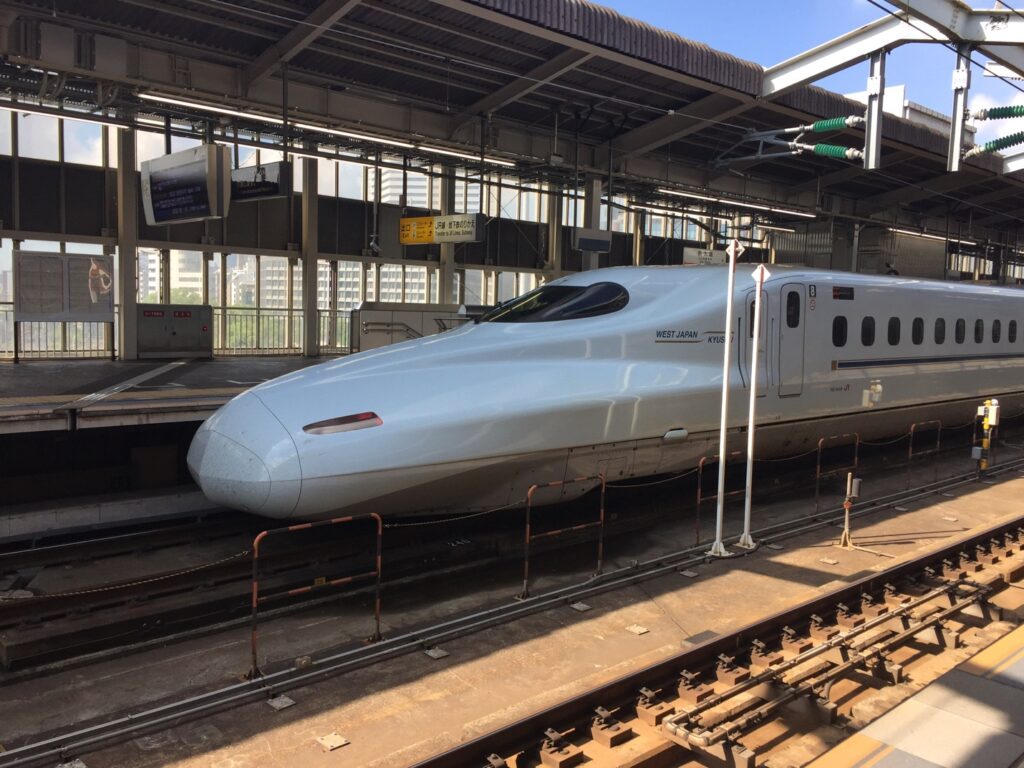
China and Japan’s high-speed rail, for example, are the best in the world and are extremely affordable.
12. Use Monthly Airbnb Discounts for Long Trips
Many Airbnbs offer:
- 20–40% weekly discounts
- 40–60% monthly discounts
If you’re staying more than 7 nights, ALWAYS check long-stay pricing.
13. Look for Tourist SIM Cards on Arrival
Local SIM cards cost:
- $3–$8 in Southeast Asia
- $10–$15 in China
- $5–$10 in Turkey
- $8–$12 in Mexico
- Trip.com also offers eSim through the app for very cheap
Some US and Canadian carriers offer free roaming worldwide (Visible, Fizz, etc)
Always buy from a reputable store and never pay roaming fees.
14. Pack Light to Avoid Baggage Fees
A lighter backpack or carry-on saves:
- Extra baggage charges
- Time at airports
- Stress
Plus, you can move faster and cheaper.
15. Use a Travel Budget Template
You’d be shocked how much leaks through cracks when you don’t track spending.
Use:
- Google Sheets
- Notion
- Excel
Just log: food, hotels, transit, shopping.
This alone can cut your budget by 20–30%.

Final Thoughts
Traveling the world on a budget isn’t about deprivation. It’s about strategy.
With the right systems, you can:
✔ Cut your costs in half
✔ Stretch your money further
✔ Travel longer and more often
✔ Enjoy richer experiences
You don’t need to be rich to see the world. You just need to know how.
If you want more budget travel insights, check out my other posts: